US Treasury Reportedly Blocks Certain Journalists From G20 Meeting in North Carolina
A report suggests the US Treasury Department blocked certain journalists from a G20 meeting in North Carolina, though the claim remains unconfirmed…
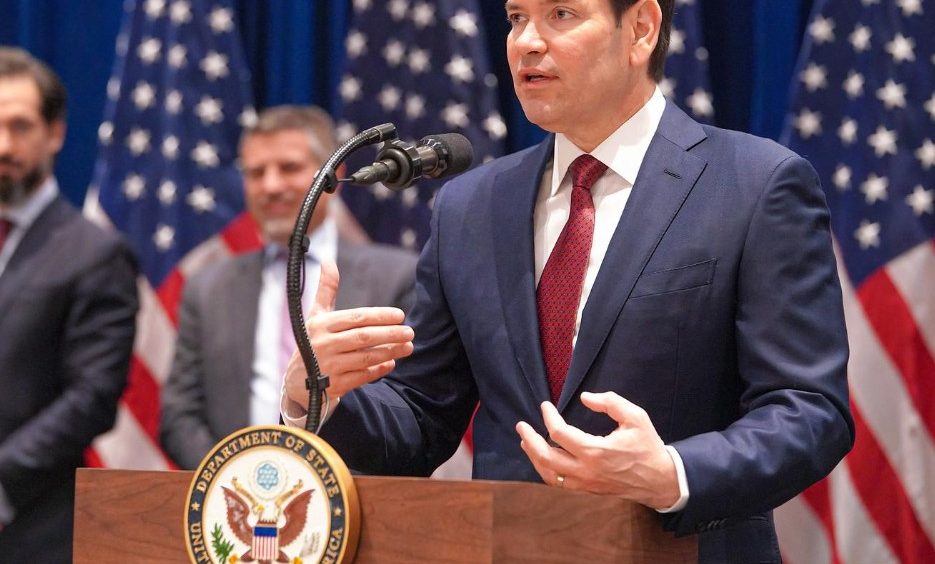 Rubio Says Washington Remains Open to Constructive Negotiations U.S. Reaffirms Support for Diplomacy Based on Compliance
 Ghana and the Netherlands Strengthen Partnership to Combat Transnational Organised Crime
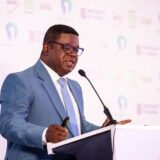 Focus on Property Tax and Informal Sector to Boost Revenue Prof. Quartey Urges Government
 GoldBod CEO Rejects Minority’s Loss Allegations, Cites GH¢5.44bn Surplus
 Trump and Zelenskiy Set to Hold High-Stakes White House Summit as Washington Revives Peace Push
 Day 1 of the Healing Streams Live Healing Services Opens With Pastor Chris’ Message on “The Gospel of Jesus Christ”
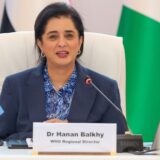 The Rising Danger of Healthcare Cyber Attacks
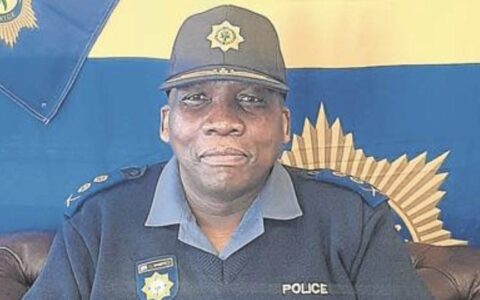
 Lt-Gen Sizakhele Dyantyi Appointed as New Western Cape Police Commissioner


Independent. Informed. Always on.
ACCRA, Ghana Prominent economist and former Director of the Institute of Statistical, Social and Economic Research (ISSER), Professor Peter Quartey, has urged the government to capitalize on untapped domestic revenue…
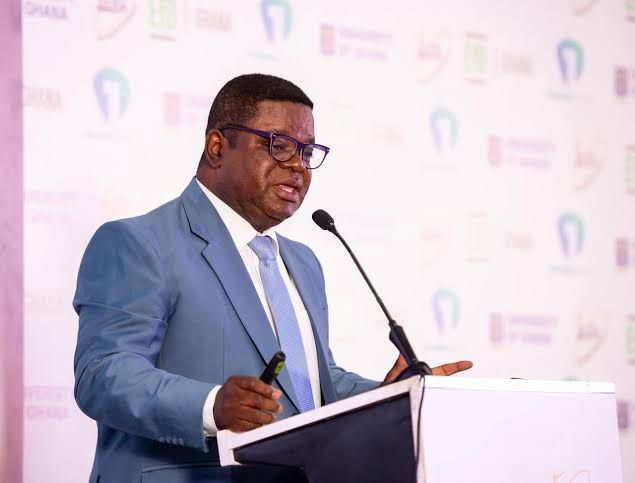
ACCRA, Ghana Prominent economist and former Director of the Institute of Statistical, Social and Economic Research (ISSER), Professor Peter Quartey, has urged the government to capitalize on untapped domestic revenue streams to address ongoing fiscal deficits.
Speaking on TV3 NewsCentral on Thursday, July 23, Prof. Quartey emphasized that critical sectors specifically property taxation and the vast informal economy remain under-leveraged despite offering immediate opportunities for revenue generation.
Addressing widespread concerns regarding early-year revenue underperformance, Prof. Quartey noted that initial shortfalls follow a typical seasonal trend in Ghana’s fiscal calendar.
“The shortfall is still quite significant, and I am not surprised everybody is raising the issue,” Prof. Quartey stated. “Usually, first-quarter revenue is not as high as expected; performance typically picks up in the second and third quarters.”
Despite seasonal recoveries, Prof. Quartey argued that Ghana is failing to collect substantial revenue from high-value assets across the country. He described property rates as “low-hanging fruit” that could significantly shore up the national coffers if properly managed.
“There are many beautiful, high-value properties across the country, but I am not sure we have mastered the process of taxing them,” he observed. “The amount raised from property rates in the first quarter remains insignificant, and it is time we strategically maximize revenue from that sector.”
In addition to property rates, the economist pointed to Ghana’s expansive informal sector as another major area requiring structural tax reform. He noted that millions of individuals engage in lucrative economic activities without contributing adequately to the national tax net. While acknowledging ongoing state efforts, he stressed that bringing the informal sector into the fold remains a critical “work in progress.”
Highlighting the urgency for reform, Prof. Quartey warned that Ghana’s revenue-to-gross domestic product (GDP) ratio continues to trail behind several peer nations within West Africa.
He concluded that broadening the tax base rather than overburdening existing compliant taxpayers—is essential for achieving fiscal stability and closing the gap with regional counterparts.
Found an error or important omission? Email corrections@gm247news.com.
A report suggests the US Treasury Department blocked certain journalists from a G20 meeting in North Carolina, though the claim remains unconfirmed…
 Africa
Lieutenant-General Sizakhele William Dyantyi has been appointed as the new Provincial Police Commissioner for the Western Cape, taking the helm at a…
 Breaking News
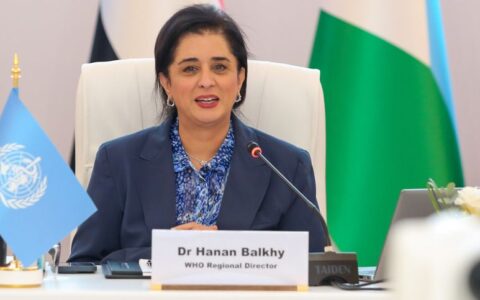
Cyberattacks Pose Direct Threat to Patient Safety, WHO Warns as Healthcare Digitization Expands CAIRO Cyberattacks on healthcare infrastructure are no longer strictly…