 Africa News
Africa: 3 Biggest Risks From US-Iran Shift
U.S. Secretary of State Rubio's compliance-only Iran stance threatens African trade routes, banking channels, and energy imports in 2026. East African economies…
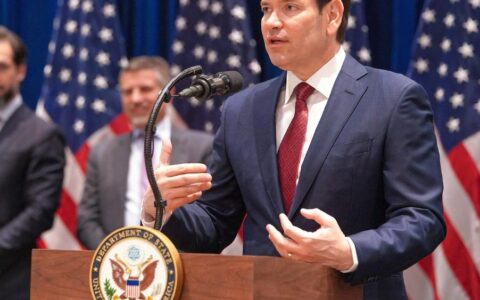
 Rubio Says Washington Remains Open to Constructive Negotiations U.S. Reaffirms Support for Diplomacy Based on Compliance
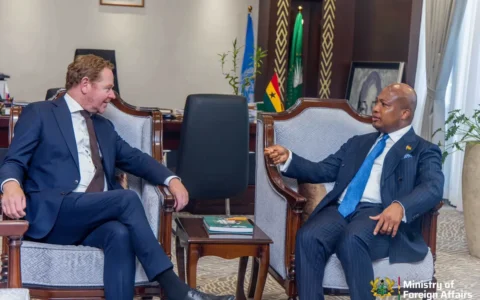
 Ghana and the Netherlands Strengthen Partnership to Combat Transnational Organised Crime
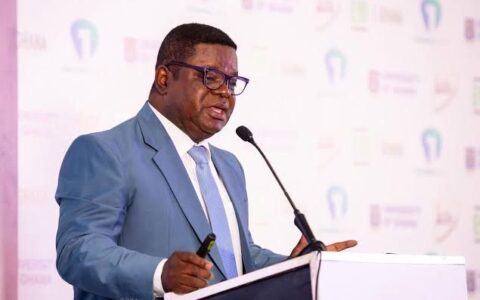
 Focus on Property Tax and Informal Sector to Boost Revenue Prof. Quartey Urges Government
 GoldBod CEO Rejects Minority’s Loss Allegations, Cites GH¢5.44bn Surplus
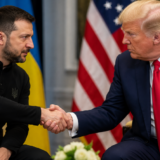 Trump and Zelenskiy Set to Hold High-Stakes White House Summit as Washington Revives Peace Push
 Day 1 of the Healing Streams Live Healing Services Opens With Pastor Chris’ Message on “The Gospel of Jesus Christ”
 The Rising Danger of Healthcare Cyber Attacks
 Lt-Gen Sizakhele Dyantyi Appointed as New Western Cape Police Commissioner


Independent. Informed. Always on.
BAGHDAD Prime Minister Ali Falih Kadhim al-Zaidi has unveiled a major national initiative aimed at restoring Iraq’s dwindling Christian presence, pledging government backing, infrastructure investment, and security assurances to encourage…
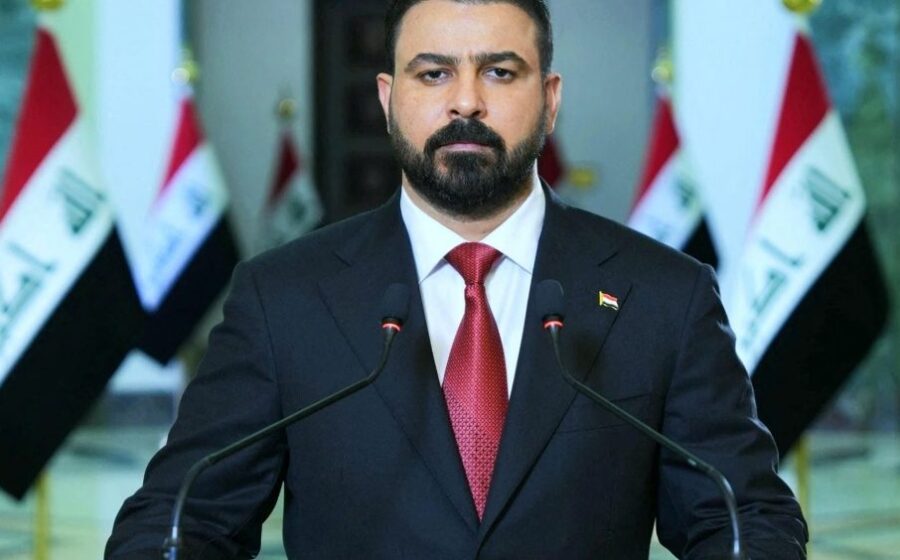
BAGHDAD Prime Minister Ali Falih Kadhim al-Zaidi has unveiled a major national initiative aimed at restoring Iraq’s dwindling Christian presence, pledging government backing, infrastructure investment, and security assurances to encourage thousands of displaced families to return to their ancestral homeland.
Speaking in Baghdad following meetings with senior clergy—including Chaldean Catholic Church leaders—al-Zaidi framed the preservation of Iraq’s religious minorities as a vital national priority essential to safeguarding the country’s cultural heritage and social cohesion.
Under the newly announced program, the Iraqi government will prioritize targeted investments in historically Christian regions, including Mosul and the Nineveh Plains:
Housing & Land Allocation: Returnees will gain access to the national “One-Million Residential Land Plot” initiative alongside targeted reconstruction support for damaged private properties.
Essential Public Services: State funds will be directed toward rehabilitating municipal infrastructure, healthcare facilities, and local educational institutions in heavily damaged municipalities.
Institutional Protections: The initiative pledges stronger legal protection for historic churches, cultural heritage sites, and property rights to protect against unlawful land seizures.
Iraq’s Christian population has experienced a catastrophic decline over the past two decades. Prior to 2003, an estimated 1.2 million to 1.5 million Christians lived in Iraq. Decades of conflict, sectarian targeting, and the violent rise of the Islamic State (ISIS) in 2014 drove hundreds of thousands to seek refuge abroad or within the neighboring Kurdistan Region, reducing the domestic population to fewer than 250,000.
While ISIS was territorially defeated years ago, returning families have faced ongoing economic hardship, damaged infrastructure, and lingering concerns over local security and political representation.
Religious leaders and civic observers have cautiously welcomed Baghdad’s renewed focus while emphasizing that execution will be critical to earning the trust of the diaspora.
Church officials noted that while financial incentives and land plots are positive steps, long-term success will depend on guaranteeing physical safety, restoring confiscated private property, and addressing anti-minority discrimination in the public sector.
Implementation is set to begin in coordination with provincial authorities and international civil society partners in the coming months.
Found an error or important omission? Email corrections@gm247news.com.
Africa News
U.S. Secretary of State Rubio's compliance-only Iran stance threatens African trade routes, banking channels, and energy imports in 2026. East African economies…
 Africa News
Ghana and the Netherlands signed a binding 2026 security pact in Accra targeting transnational crime across Africa. The agreement could reshape continental…
 Africa News
A leading Ghanaian economist calls for urgent property tax and informal-sector reform across Africa, warning that Ghana's low revenue-to-GDP ratio locks nations…