 Africa News
Africa: 3 Biggest Risks From US-Iran Shift
U.S. Secretary of State Rubio's compliance-only Iran stance threatens African trade routes, banking channels, and energy imports in 2026. East African economies…
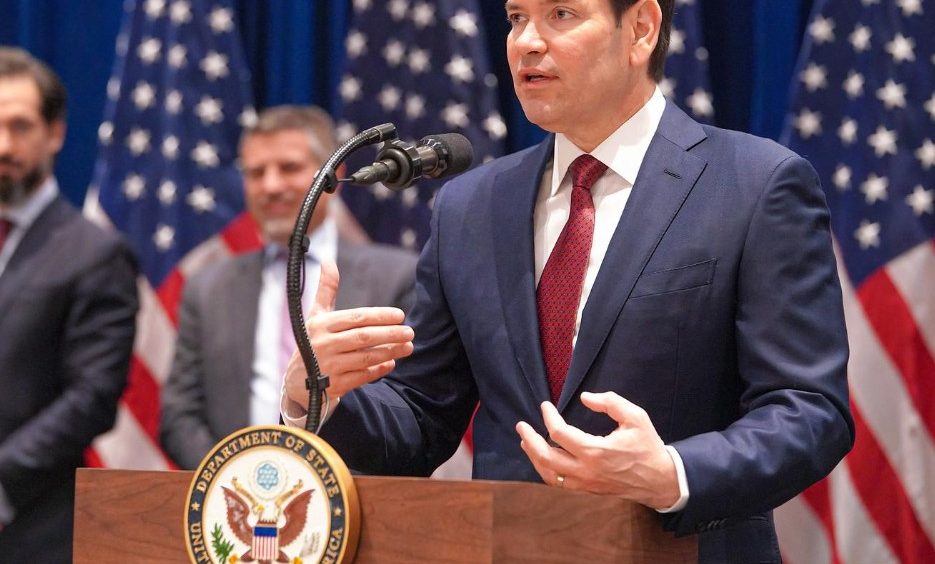 Rubio Says Washington Remains Open to Constructive Negotiations U.S. Reaffirms Support for Diplomacy Based on Compliance
 Ghana and the Netherlands Strengthen Partnership to Combat Transnational Organised Crime
 Focus on Property Tax and Informal Sector to Boost Revenue Prof. Quartey Urges Government
 GoldBod CEO Rejects Minority’s Loss Allegations, Cites GH¢5.44bn Surplus
 Trump and Zelenskiy Set to Hold High-Stakes White House Summit as Washington Revives Peace Push
 Day 1 of the Healing Streams Live Healing Services Opens With Pastor Chris’ Message on “The Gospel of Jesus Christ”
 The Rising Danger of Healthcare Cyber Attacks
 Lt-Gen Sizakhele Dyantyi Appointed as New Western Cape Police Commissioner


Independent. Informed. Always on.
Cyberattacks Pose Direct Threat to Patient Safety, WHO Warns as Healthcare Digitization Expands CAIRO Cyberattacks on healthcare infrastructure are no longer strictly an IT concern but represent a direct threat…
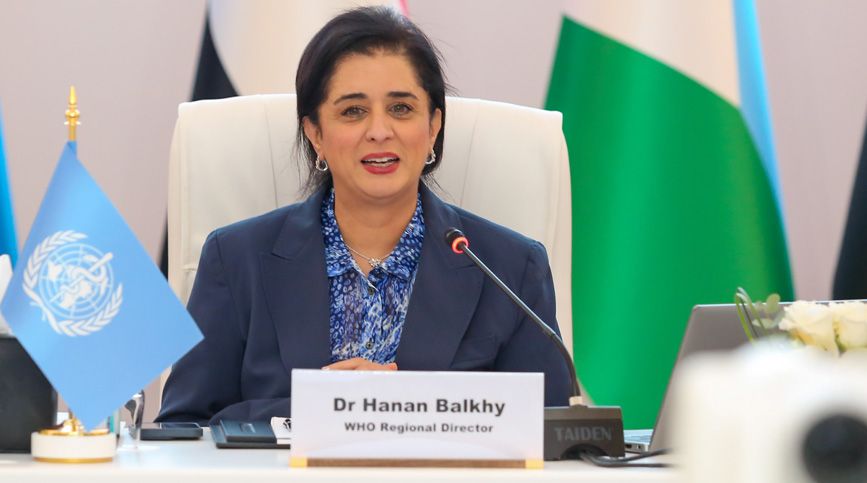
CAIRO Cyberattacks on healthcare infrastructure are no longer strictly an IT concern but represent a direct threat to patient safety and public health, the World Health Organization (WHO) warned on Thursday.
Speaking at a regional webinar on cybersecurity in healthcare, Dr. Hanan Balkhy, WHO Regional Director for the Eastern Mediterranean, urged member states to rapidly scale up investments in digital defense to safeguard health system resilience.
While technologies such as electronic health records, telemedicine, connected medical devices, artificial intelligence, and digital surveillance have transformed modern medicine, Dr. Balkhy highlighted that rapid digital integration has expanded the attack surface for cybercriminals.
“Cyberattacks are no longer simply an information technology issue. They are a patient safety issue, a health security issue and, ultimately, a public health issue,” Dr. Balkhy stated. “Attacks against hospitals can delay life-saving treatment, interrupt emergency services, compromise sensitive patient information and undermine public trust.”
The Eastern Mediterranean region faces unique challenges where health systems are modernizing while simultaneously navigating conflict, humanitarian displacement, and severe resource constraints. These overlapping pressures leave medical facilities particularly exposed to cyber disruption.
Dr. Balkhy emphasized that as countries advance their digital health agendas, cybersecurity must be treated as a fundamental component of emergency preparedness rather than an afterthought.
To address evolving threats, WHO is partnering with the International Telecommunication Union (ITU) and the United Nations Office on Drugs and Crime (UNODC):
Technical Standards: ITU provides global expertise in digital security standards and national capacity building.
Legal Frameworks: UNODC assists nations in strengthening legal mechanisms to combat cybercrime and facilitate international law enforcement cooperation.
Multisectoral Engagement: WHO convenes health ministries, telecom regulators, and cybersecurity authorities to form unified defense strategies.
Dr. Balkhy called on governments to back digital resilience with sustained political commitment, governance reforms, workforce training, and cross-border information sharing.
Found an error or important omission? Email corrections@gm247news.com.
Africa News
U.S. Secretary of State Rubio's compliance-only Iran stance threatens African trade routes, banking channels, and energy imports in 2026. East African economies…
 Africa News
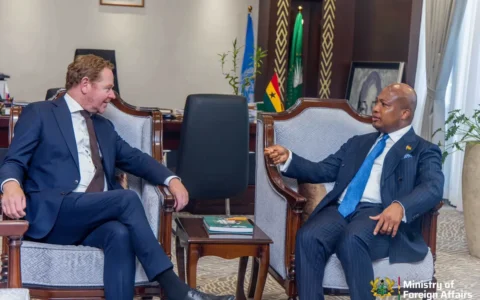
Ghana and the Netherlands signed a binding 2026 security pact in Accra targeting transnational crime across Africa. The agreement could reshape continental…
 Africa News
A leading Ghanaian economist calls for urgent property tax and informal-sector reform across Africa, warning that Ghana's low revenue-to-GDP ratio locks nations…