 World
China says navy tracked USS Charleston near Sabina Shoal
China says it monitored USS Charleston near Sabina Shoal on 20 October. The Philippines disputes Beijing’s claim; the US mission remains unconfirmed.
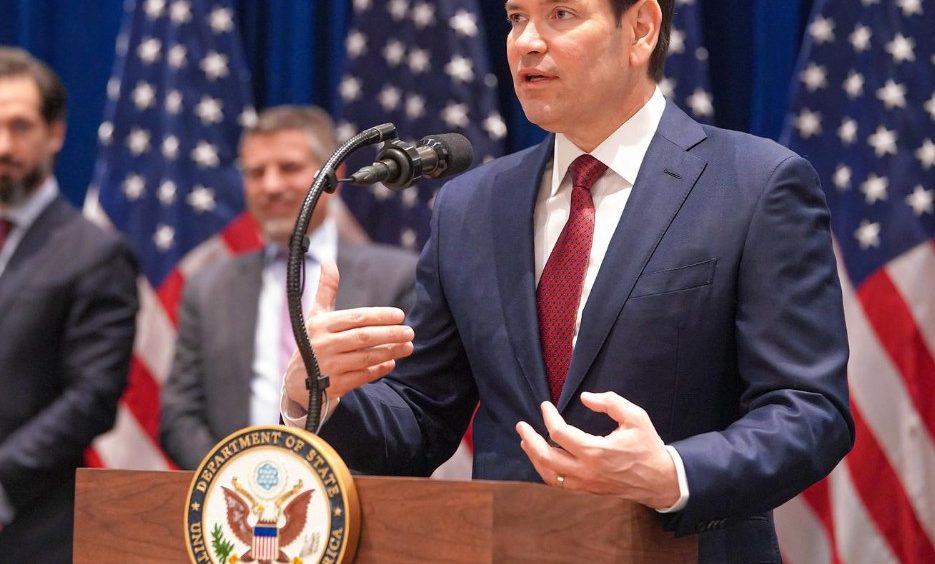 Rubio Says Washington Remains Open to Constructive Negotiations U.S. Reaffirms Support for Diplomacy Based on Compliance
 Ghana and the Netherlands Strengthen Partnership to Combat Transnational Organised Crime
 Focus on Property Tax and Informal Sector to Boost Revenue Prof. Quartey Urges Government
 GoldBod CEO Rejects Minority’s Loss Allegations, Cites GH¢5.44bn Surplus
 Trump and Zelenskiy Set to Hold High-Stakes White House Summit as Washington Revives Peace Push
 Day 1 of the Healing Streams Live Healing Services Opens With Pastor Chris’ Message on “The Gospel of Jesus Christ”
 The Rising Danger of Healthcare Cyber Attacks
 Lt-Gen Sizakhele Dyantyi Appointed as New Western Cape Police Commissioner


Independent. Informed. Always on.
Iraq's prime minister launched a major initiative to bring displaced Christians back to Mosul and the Nineveh Plains with housing, security, and legal protections. The plan echoes displacement challenges facing…
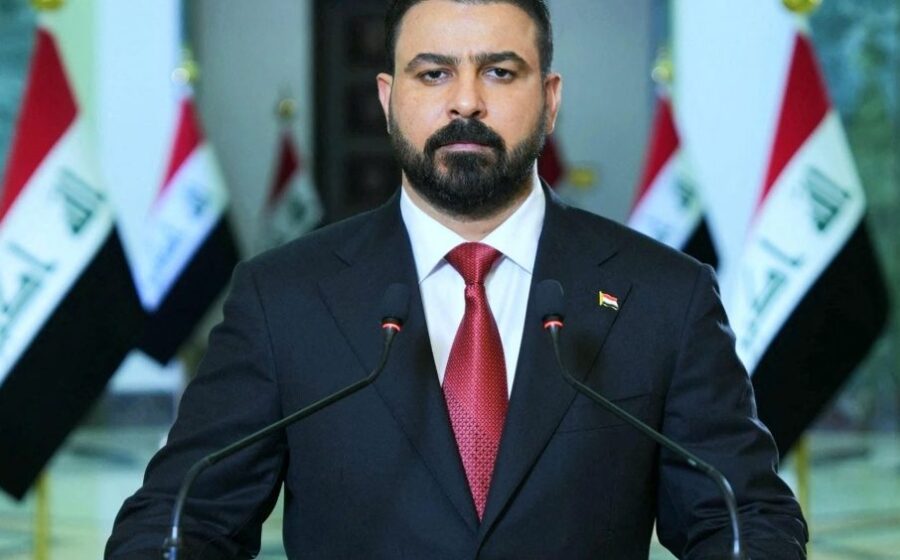
Analysis: Minority displacement, security and return
Africa and the broader Middle East face ripple effects as Iraq’s Prime Minister Ali Falih Kadhim al-Zaidi launched a sweeping initiative to bring displaced Christians home, pledging housing, security, and infrastructure investment across Mosul and the Nineveh Plains.
Iraq’s Christian exodus mirrors displacement crises affecting religious minorities across Africa, from Nigeria’s embattled Christian communities in the northeast to persecuted Coptic populations navigating sectarian pressures in Egypt. When a major Middle Eastern government formally commits to reversing minority displacement, it sets a precedent that African and global policymakers watch closely.
The initiative’s emphasis on institutional protections—heritage site preservation, property restitution, and anti-discrimination measures—addresses root causes that have driven minority flight on multiple continents. If Baghdad delivers, the framework could become a template for nations grappling with similar challenges.
The program channels state resources into historically Christian regions. Housing comes through Iraq’s “One-Million Residential Land Plot” scheme, paired with reconstruction support for war-damaged private properties. Municipal infrastructure, clinics, and schools in devastated towns will receive targeted rehabilitation funding.
Legal safeguards aim to prevent the land grabs that have discouraged return for years. Historic churches and cultural heritage sites gain stronger protections under the new framework, while provincial authorities and international civil society partners will jointly oversee implementation in coming months.
Religious leaders acknowledged that financial incentives alone will not rebuild trust. Guaranteeing day-to-day security, restoring confiscated property, and dismantling systemic discrimination in public institutions remain the harder, slower work. The UNHCR has consistently emphasized that sustainable return depends on these structural reforms, whether in Iraq, across Africa, or anywhere forced displacement persists.
Can government-led return initiatives truly reverse decades of religious minority displacement, or do displaced communities need more than promises before they come home? Share your thoughts. #InternationalNews #GM247News
Key Topics: minority-displacement, nineveh-plains-reconstruction, african-religious-persecution
Iraq's initiative echoes Lebanon's post-civil-war efforts in the 1990s to repatriate displaced Maronite Christians to Mount Lebanon, a program that saw mixed results because security guarantees lagged behind infrastructure spending. In Africa, Nigeria's Borno State has struggled with a similar dynamic since 2015: billions in reconstruction funds flowed into the northeast, yet displaced Christian and animist communities refused to return without credible protection from Boko Haram remnants.
Studies by the Internal Displacement Monitoring Centre found that property restitution is the single strongest predictor of sustained return, more influential than housing grants or employment programs. If Iraq prioritizes enforceable property rights over symbolic gestures, it could outperform historical precedents. African governments facing comparable crises in the Sahel and the Lake Chad Basin may adopt elements of Baghdad's framework if measurable progress materializes by 2027.
Prepared with AI assistance; Reviewed by the GM247 Editorial Desk.
Found an error or important omission? Email corrections@gm247news.com.
World China says it monitored USS Charleston near Sabina Shoal on 20 October. The Philippines disputes Beijing’s claim; the US mission remains unconfirmed.
 World
A Nexus/BTG poll puts Flávio Bolsonaro at 50.3% and Lula at 49.7% of valid voting intentions, within the margin of error before…
 World
Qatar’s defence minister says a production hub is planned with regional and international partners, with key details still to be announced.