 Africa News
Africa: 3 Biggest Risks From US-Iran Shift
U.S. Secretary of State Rubio's compliance-only Iran stance threatens African trade routes, banking channels, and energy imports in 2026. East African economies…
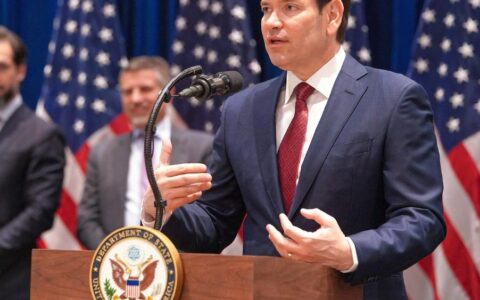
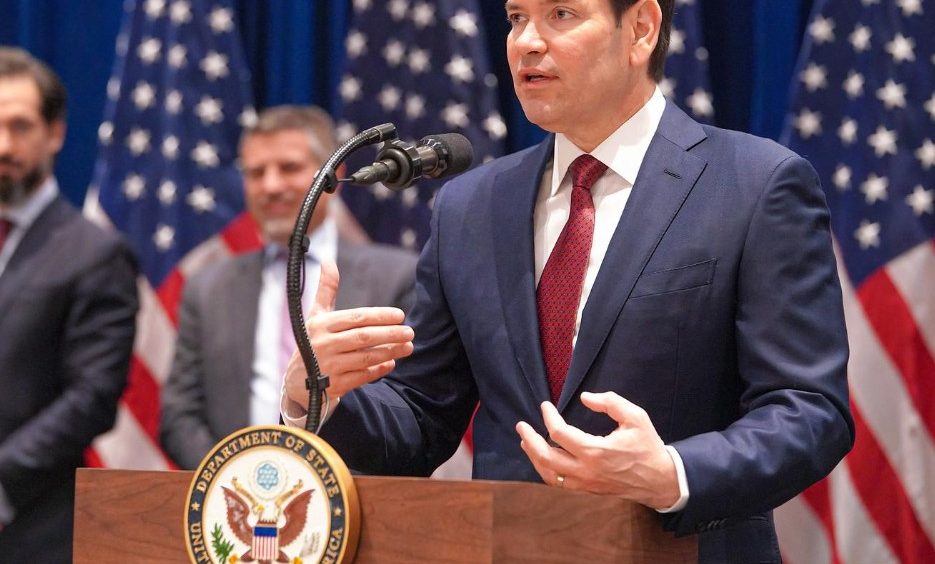 Rubio Says Washington Remains Open to Constructive Negotiations U.S. Reaffirms Support for Diplomacy Based on Compliance
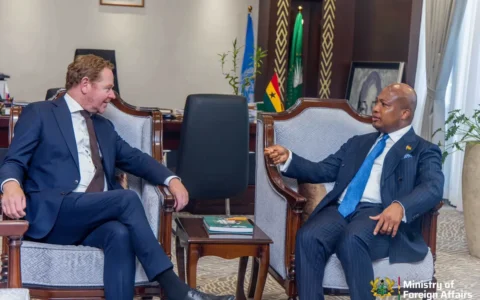
 Ghana and the Netherlands Strengthen Partnership to Combat Transnational Organised Crime
 Focus on Property Tax and Informal Sector to Boost Revenue Prof. Quartey Urges Government
 GoldBod CEO Rejects Minority’s Loss Allegations, Cites GH¢5.44bn Surplus
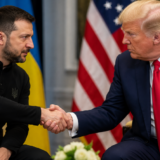 Trump and Zelenskiy Set to Hold High-Stakes White House Summit as Washington Revives Peace Push
 Day 1 of the Healing Streams Live Healing Services Opens With Pastor Chris’ Message on “The Gospel of Jesus Christ”
 The Rising Danger of Healthcare Cyber Attacks
 Lt-Gen Sizakhele Dyantyi Appointed as New Western Cape Police Commissioner


Independent. Informed. Always on.
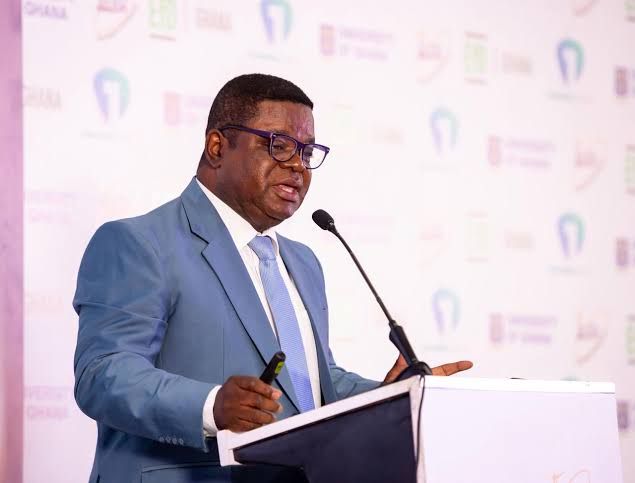
A leading Ghanaian economist urges the government to tap property taxes and the informal sector to close Africa's widening revenue gap. The call highlights fiscal challenges shared across the continent.
Key Topics: africa-tax-reform, property-taxation, informal-economy
Ghana's property tax struggles echo a pattern seen in Lagos, Nigeria, which in 2018 overhauled its land-use charge system and saw property-related revenue jump by over 60 percent within two years. That reform relied on digital property mapping and centralized billing — tools Ghana has yet to deploy at scale. Across sub-Saharan Africa, the IMF estimates that domestic revenue mobilization could unlock an additional 3-5 percent of GDP if property and informal-sector taxation were modernized. The political sensitivity of taxing informal traders, who often lack formal registration, has stalled similar reforms in Kenya, Senegal, and Tanzania over the past decade. Ghana's trajectory will likely serve as a test case for whether West African nations can close their revenue-to-GDP gaps without triggering public backlash.
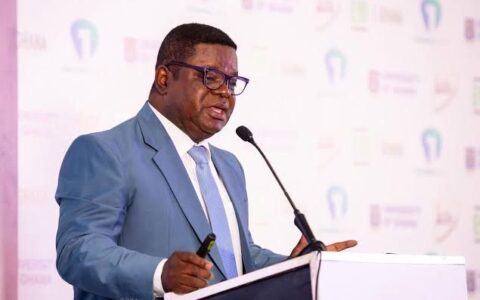
Africa’s fiscal challenges are deepening as Ghana’s top economist Professor Peter Quartey calls on the government to urgently tap property taxes and the informal sector, warning that revenue-to-GDP ratios trail West African peers.
Ghana’s struggle mirrors a broader pattern across Africa, where governments face mounting pressure to fund development without over-relying on foreign aid or debt. Professor Quartey, the former ISSER director, singled out property rates as an immediate fix — high-value buildings dot major cities yet generate negligible tax income.
“There are many beautiful, high-value properties across the country, but I am not sure we have mastered the process of taxing them,” he told TV3 NewsCentral on July 23. The economist stressed that broadening the tax base, rather than squeezing already-compliant taxpayers, is the sustainable path forward.
Beyond property, Quartey pointed to millions of informal workers whose economic activity dwarfs their tax contributions. Structural reform — not piecemeal enforcement — is required to bring this vast sector into compliance. He acknowledged government efforts but called the process a critical “work in progress.”
Ghana’s revenue-to-GDP ratio lags behind several West African neighbors, a gap that undermines public investment in health, infrastructure, and education. According to the International Monetary Fund’s Ghana page, the country’s fiscal consolidation remains a central policy challenge through 2026.
The economist concluded that closing the revenue gap with regional counterparts demands political will and administrative modernization. Digital property registries, simplified informal-sector levies, and stronger local government capacity are all on the table.
Should African governments prioritize taxing property and the informal economy over introducing new levies on formal businesses? Share your thoughts below. #InternationalNews #GM247News
Prepared with AI assistance; Reviewed by the GM247 Editorial Desk.
Found an error or important omission? Email corrections@gm247news.com.
Africa News
U.S. Secretary of State Rubio's compliance-only Iran stance threatens African trade routes, banking channels, and energy imports in 2026. East African economies…
 Africa News
Ghana and the Netherlands signed a binding 2026 security pact in Accra targeting transnational crime across Africa. The agreement could reshape continental…
 Africa News
A leading Ghanaian economist calls for urgent property tax and informal-sector reform across Africa, warning that Ghana's low revenue-to-GDP ratio locks nations…