 World
China says navy tracked USS Charleston near Sabina Shoal
China says it monitored USS Charleston near Sabina Shoal on 20 October. The Philippines disputes Beijing’s claim; the US mission remains unconfirmed.
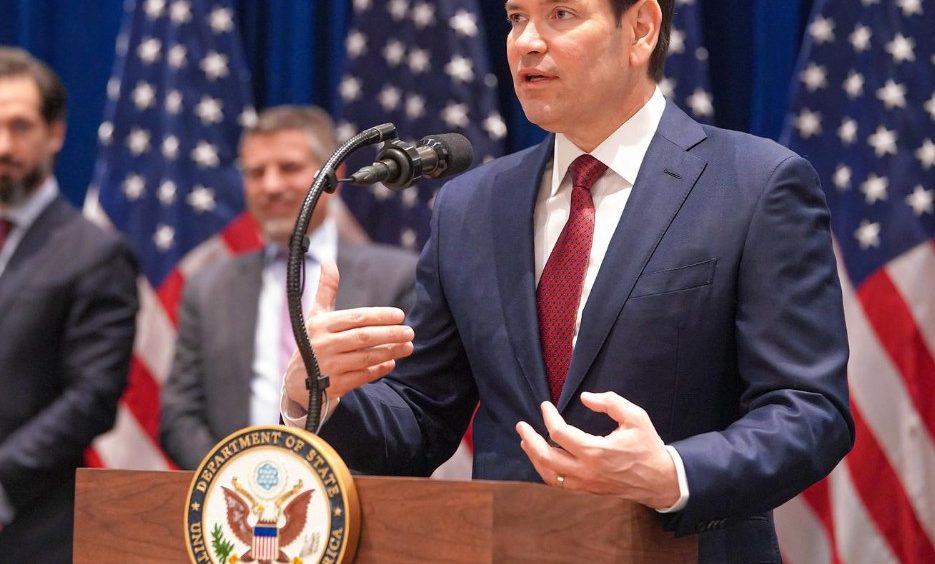 Rubio Says Washington Remains Open to Constructive Negotiations U.S. Reaffirms Support for Diplomacy Based on Compliance
 Ghana and the Netherlands Strengthen Partnership to Combat Transnational Organised Crime
 Focus on Property Tax and Informal Sector to Boost Revenue Prof. Quartey Urges Government
 GoldBod CEO Rejects Minority’s Loss Allegations, Cites GH¢5.44bn Surplus
 Trump and Zelenskiy Set to Hold High-Stakes White House Summit as Washington Revives Peace Push
 Day 1 of the Healing Streams Live Healing Services Opens With Pastor Chris’ Message on “The Gospel of Jesus Christ”
 The Rising Danger of Healthcare Cyber Attacks
 Lt-Gen Sizakhele Dyantyi Appointed as New Western Cape Police Commissioner


Independent. Informed. Always on.
A leading Ghanaian economist calls for urgent property tax and informal-sector reform across Africa, warning that Ghana's low revenue-to-GDP ratio locks nations into aid dependency. Lagos's digital cadastral success offers…
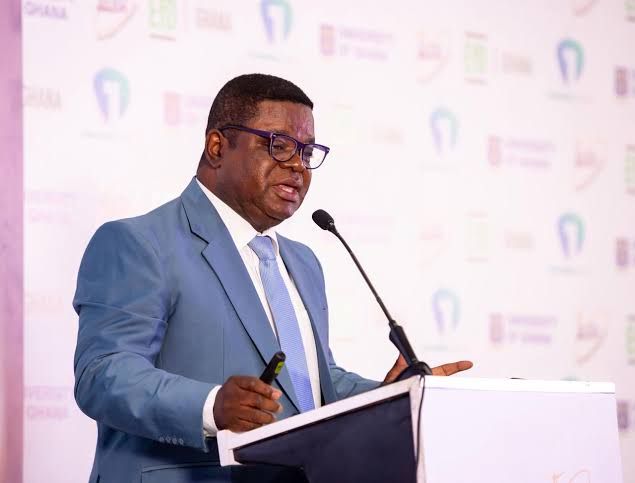
Analysis: Tax reform, property rates and the informal economy
Africa tax reform surged into the spotlight after Ghanaian economist Professor Peter Quartey demanded sweeping property tax and informal-sector overhauls, warning that Ghana’s revenue-to-GDP ratio dangerously trails West African peers and perpetuates aid dependency.
Governments across the continent remain dangerously reliant on foreign aid and sovereign debt to fund health, education, and infrastructure. As global lending conditions tighten and donor fatigue accelerates, this financing model is fracturing in real time.
Professor Quartey, formerly director of Ghana’s Institute of Statistical, Social and Economic Research, told TV3 NewsCentral that squeezing already-compliant businesses is counterproductive. “There are many beautiful, high-value properties across the country, but I am not sure we have mastered the process of taxing them,” he said.
Centralized billing systems and digital cadastral mapping sit at the heart of the reform agenda. Lagos proved that geographic information systems can dramatically widen the tax base when paired with genuine political commitment.
Simplified tax frameworks for informal workers could bring millions of currently untaxed participants into the fiscal system. According to the International Monetary Fund’s Ghana page, fiscal consolidation remains a central policy challenge through 2026.
Ghana’s trajectory will serve as a bellwether for West African nations weighing whether to close revenue gaps or continue relying on external financing. The political will to tax informal traders — many of whom lack formal registration — has historically been the sticking point.
Professor Quartey acknowledged that government efforts are underway but described the process as a critical “work in progress” demanding both administrative modernization and political courage. The outcome in Accra could embolden or discourage reformers across the continent.
Should African governments prioritize taxing property and the informal economy over introducing new levies on formal businesses? Share your perspective below. #InternationalNews #GM247News
Key Topics: lagos-land-use-charge, digital-cadastral-systems, african-fiscal-policy
Lagos, Nigeria's 2018 land-use charge overhaul offers a direct precedent for what Ghana is attempting. By deploying geographic information systems to map and value over 600,000 properties, Lagos increased property-related revenue by more than 60 percent within two years. However, the reform initially triggered widespread public protests, forcing the state government to slash rates by up to 50 percent before public acceptance stabilized.
This pattern suggests Ghana could face a similar backlash cycle, meaning phased implementation and robust public communication strategies will be just as critical as the technical infrastructure. If Ghana succeeds where Lagos stumbled early on, it could create a replicable template for at least a dozen African capitals currently exploring digital cadastral systems.
Prepared with AI assistance; Reviewed by the GM247 Editorial Desk.
Found an error or important omission? Email corrections@gm247news.com.
World China says it monitored USS Charleston near Sabina Shoal on 20 October. The Philippines disputes Beijing’s claim; the US mission remains unconfirmed.
 World
A Nexus/BTG poll puts Flávio Bolsonaro at 50.3% and Lula at 49.7% of valid voting intentions, within the margin of error before…
 World
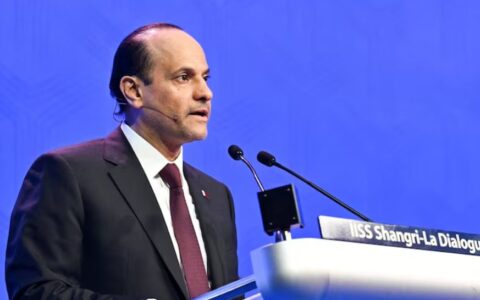
Qatar’s defence minister says a production hub is planned with regional and international partners, with key details still to be announced.