 Africa News
Africa: Vital 2026 Security Pact – Biggest Step Yet
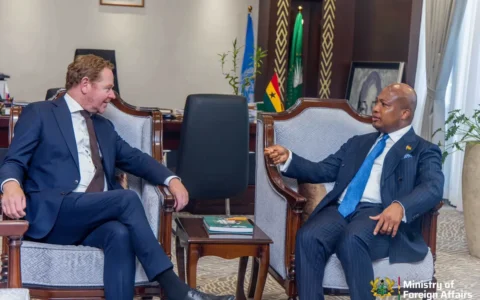
Ghana and the Netherlands signed a binding 2026 security pact in Accra targeting transnational crime across Africa. The agreement could reshape continental…
 Rubio Says Washington Remains Open to Constructive Negotiations U.S. Reaffirms Support for Diplomacy Based on Compliance
 Ghana and the Netherlands Strengthen Partnership to Combat Transnational Organised Crime
 Focus on Property Tax and Informal Sector to Boost Revenue Prof. Quartey Urges Government
 GoldBod CEO Rejects Minority’s Loss Allegations, Cites GH¢5.44bn Surplus
 Trump and Zelenskiy Set to Hold High-Stakes White House Summit as Washington Revives Peace Push
 Day 1 of the Healing Streams Live Healing Services Opens With Pastor Chris’ Message on “The Gospel of Jesus Christ”
 The Rising Danger of Healthcare Cyber Attacks
 Lt-Gen Sizakhele Dyantyi Appointed as New Western Cape Police Commissioner

Independent. Informed. Always on.
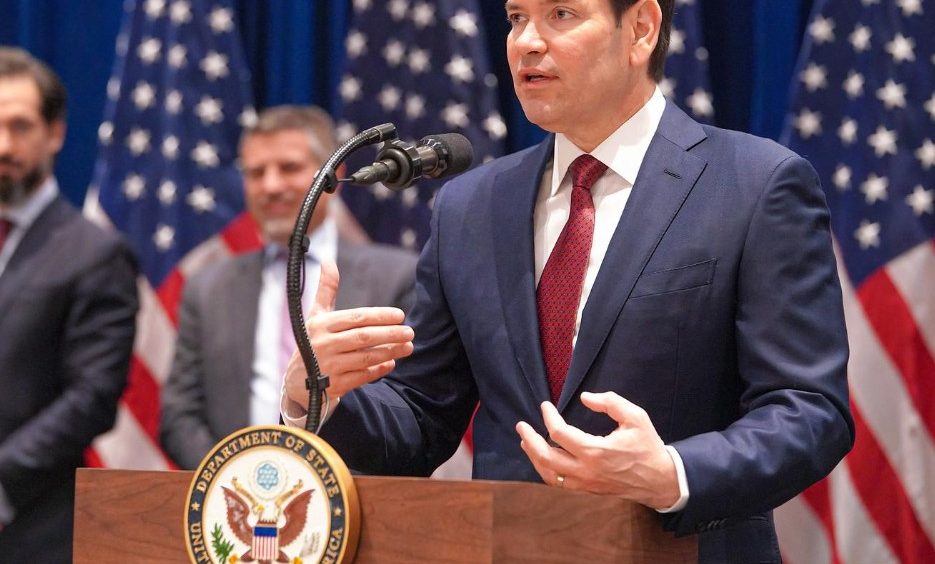
U.S. Secretary of State Rubio's compliance-only Iran stance threatens African trade routes, banking channels, and energy imports in 2026. East African economies face renewed supply risks as secondary sanctions loom.

Key Topics: jcpoa-withdrawal-2018, african-sanctions-resilience, pan-african-clearing
When the U.S. withdrew from the JCPOA in 2018, the impact on Africa was swift and underreported. South African banks processing Iranian transactions were forced to sever correspondent relationships with American financial institutions within weeks, disrupting legitimate trade flows unrelated to nuclear concerns. Kenya's petroleum import costs rose by an estimated 8-12% as cheaper Iranian crude disappeared from the market, forcing a pivot to costlier Gulf suppliers. Tanzania's cashew and agricultural export sectors, which had found a growing Iranian market, lost access almost overnight. Continental policymakers studying that episode have since accelerated discussions around the Pan-African Payment and Settlement System as a potential buffer against future dollar-denominated sanctions pressure.
Africa faces urgent economic fallout after U.S. Secretary of State Marco Rubio declared in July 2026 that Washington will only negotiate with Iran under full compliance—threatening trade routes, banking channels, and energy imports across the continent.
Iran’s nuclear standoff does not exist in isolation. Disruptions in the Middle East ripple across Africa through volatile energy markets, arms proliferation, and migration flows. For nations bordering conflict-prone zones, a harder American posture toward Tehran reshapes defence cooperation, development aid, and trade agreements almost immediately.
Rubio’s insistence that dialogue depends on implementation rather than promises leaves virtually no ambiguity about Washington’s expectations from any negotiating partner, including third-party states on the continent. For capitals like Nairobi, Pretoria, and Dar es Salaam, the risk is concrete and immediate.
Building sanctions-resilient financial infrastructure has become an operational priority. The Pan-African Payment and Settlement System (PAPSS), launched in 2022, offers a potential buffer against dollar-denominated sanctions pressure by enabling intra-continental settlements in local currencies.
Secondary sanctions can block commodity flows and sever banking channels within weeks, leaving little room for delayed responses. Several Africa central banks are reportedly stress-testing payment corridors to gauge exposure to a renewed sanctions regime.
Diplomatic manoeuvring is expected to intensify through multilateral channels, including United Nations General Assembly sessions later this year. How African nations position themselves could determine whether they gain leverage or absorb pressure from competing great-power blocs.
With Africa increasingly central to global resource supply chains and security architecture, the continent’s voice in these negotiations carries more weight than at any point in recent decades. Quiet neutrality may preserve short-term stability, but it also risks sidelining African interests when the rules get rewritten.
Should African governments take a stronger public stance on U.S.-Iran diplomacy, or does quiet neutrality remain the smarter strategy? Share your view below. #InternationalNews #GM247News
Prepared with AI assistance; Reviewed by the GM247 Editorial Desk.
Found an error or important omission? Email corrections@gm247news.com.
Africa News
Ghana and the Netherlands signed a binding 2026 security pact in Accra targeting transnational crime across Africa. The agreement could reshape continental…
 Africa News
A leading Ghanaian economist calls for urgent property tax and informal-sector reform across Africa, warning that Ghana's low revenue-to-GDP ratio locks nations…
 Africa News
Ghana's Gold Board declared a GH¢5.44 billion surplus for 2025, countering opposition loss allegations with audited financials. The results could reshape how…