Africa: 3 Biggest Risks From US-Iran Shift
Africa faces renewed economic risks as U.S. Secretary of State Rubio's compliance-only Iran stance threatens trade routes, banking channels, and energy imports…
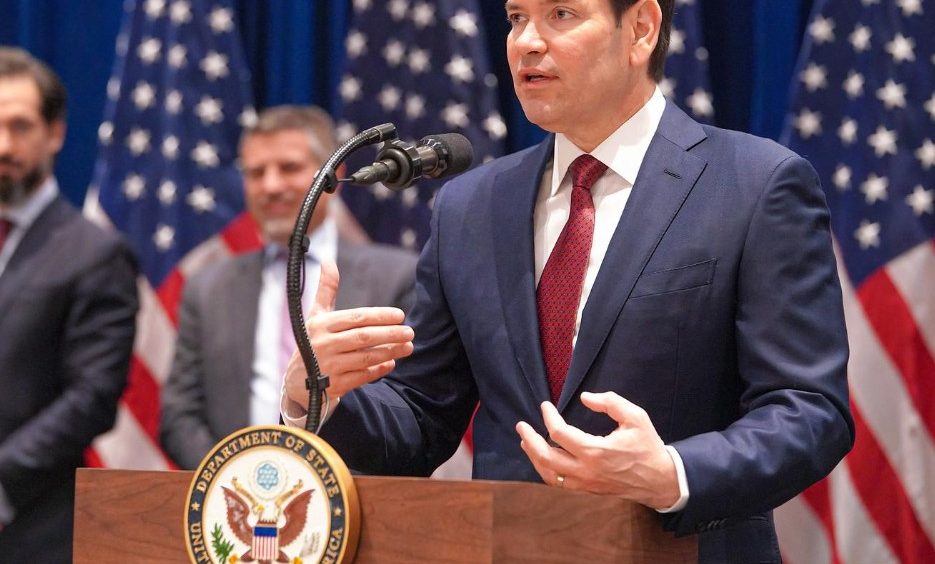 Rubio Says Washington Remains Open to Constructive Negotiations U.S. Reaffirms Support for Diplomacy Based on Compliance
 Ghana and the Netherlands Strengthen Partnership to Combat Transnational Organised Crime
 Focus on Property Tax and Informal Sector to Boost Revenue Prof. Quartey Urges Government
 GoldBod CEO Rejects Minority’s Loss Allegations, Cites GH¢5.44bn Surplus
 Trump and Zelenskiy Set to Hold High-Stakes White House Summit as Washington Revives Peace Push
 Day 1 of the Healing Streams Live Healing Services Opens With Pastor Chris’ Message on “The Gospel of Jesus Christ”
 The Rising Danger of Healthcare Cyber Attacks
 Lt-Gen Sizakhele Dyantyi Appointed as New Western Cape Police Commissioner


Independent. Informed. Always on.
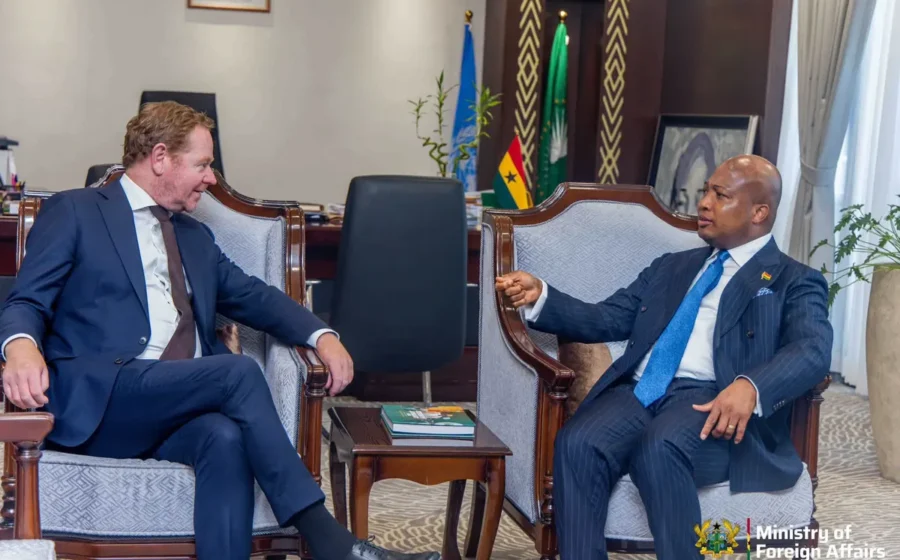
Ghana and the Netherlands signed a binding security pact in Accra targeting transnational crime across Africa. The 2026 agreement could reshape continental security cooperation as Ghana prepares to chair the…
Key Topics: west-africa-coast-initiative, methamphetamine-precursors, transnational-crime-units
This Ghana-Netherlands pact echoes the 2010 West Africa Coast Initiative (WACI), a joint UN-ECOWAS program that established Transnational Crime Units in Sierra Leone, Liberia, Guinea-Bissau, and Côte d'Ivoire. Those units achieved early interception successes but ultimately faltered due to inconsistent funding and political turnover — a cautionary precedent for any permanent framework. The synthetic drug dimension represents a genuinely new threat vector: UNODC data shows West African methamphetamine precursor seizures have surged more than 300 percent since 2020, confirming the region's shift from transit zone to emerging production hub. The deeper risk is that European partners steer the agenda toward their own narcotics and migration priorities rather than addressing threats African governments rank highest, including small arms proliferation and artisanal mining-linked money laundering. Whether Ghana can use its AU Chairmanship to harmonize extradition treaties and mutual legal assistance protocols will likely determine if this pact succeeds where WACI struggled.
Africa faces a dramatic security realignment after Ghana and the Netherlands signed a binding pact in Accra on July 21, 2026, establishing permanent cooperation against terrorism, drug trafficking, and illicit finance across the continent.
West Africa sits at the crossroads of criminal corridors stretching from the Sahel to the Gulf of Guinea. What was once primarily a drug transit zone is rapidly becoming a synthetic narcotics production hub, and the stakes for every government on the continent have never been higher.
By anchoring cooperation in a permanent bilateral framework rather than ad hoc summits, both nations are betting that institutional design can outlast the political turnover that crippled earlier initiatives. Ghana’s incoming AU leadership gives the pact outsized diplomatic weight — officials have signaled plans to champion legal reforms that criminal syndicates have exploited for years.
A single bilateral pact, however well-structured, cannot address threats spanning dozens of borders. The critical test is whether other AU member states replicate this model, and that requires political will that has historically been scarce across the continent.
There is also the question of agenda control. European partners may prioritize narcotics interdiction and migration management, while African governments rank small arms proliferation and artisanal mining-linked money laundering as more urgent threats. Balancing these competing priorities will determine whether the framework delivers genuine mutual benefit.
If Ghana succeeds in pushing extradition harmonization and mutual legal assistance protocols through the AU, it could close longstanding enforcement loopholes that make cross-border prosecution nearly impossible. The UNODC’s West and Central Africa office has documented the scale of these challenges, noting surging precursor chemical seizures that confirm the region’s evolving threat profile.
Whether this pact becomes a continental template or remains a symbolic gesture depends entirely on follow-through — from both Accra and The Hague, and from the AU member states asked to adopt similar frameworks.
Can structured Africa-Europe security pacts truly disrupt transnational crime, or will enforcement gaps and competing priorities undermine even the strongest agreements? Share your perspective below. #InternationalNews #GM247News
Prepared with AI assistance; Reviewed by the GM247 Editorial Desk.
Found an error or important omission? Email corrections@gm247news.com.
Africa faces renewed economic risks as U.S. Secretary of State Rubio's compliance-only Iran stance threatens trade routes, banking channels, and energy imports…
 Africa News
Ghana and the Netherlands signed a binding 2026 security pact in Accra targeting transnational crime across the continent. The agreement could reshape…
 Africa News
A leading Ghanaian economist is demanding sweeping property tax and informal-sector reform across Africa, warning that low revenue collection traps nations in…