 Africa News
Africa: Urgent 3 Biggest Food Crisis Facts – 2026
The Trump-Zelenskiy summit could reshape food security for dozens of African nations dependent on Black Sea grain corridors. Fertilizer costs, staple prices,…
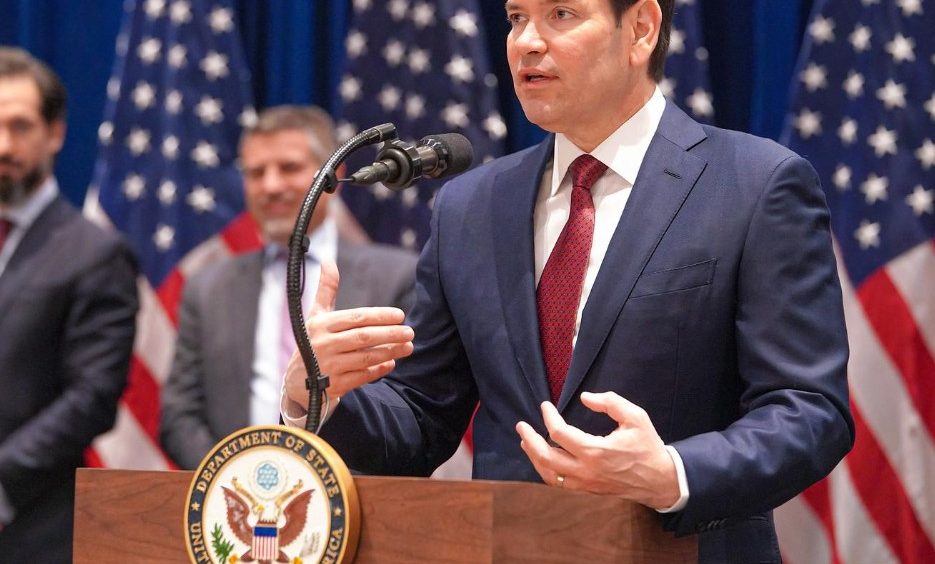 Rubio Says Washington Remains Open to Constructive Negotiations U.S. Reaffirms Support for Diplomacy Based on Compliance
 Ghana and the Netherlands Strengthen Partnership to Combat Transnational Organised Crime
 Focus on Property Tax and Informal Sector to Boost Revenue Prof. Quartey Urges Government
 GoldBod CEO Rejects Minority’s Loss Allegations, Cites GH¢5.44bn Surplus
 Trump and Zelenskiy Set to Hold High-Stakes White House Summit as Washington Revives Peace Push
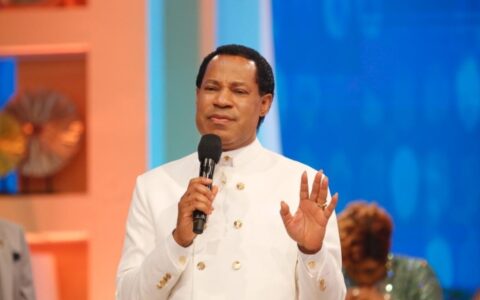
 Day 1 of the Healing Streams Live Healing Services Opens With Pastor Chris’ Message on “The Gospel of Jesus Christ”
 The Rising Danger of Healthcare Cyber Attacks
 Lt-Gen Sizakhele Dyantyi Appointed as New Western Cape Police Commissioner


Independent. Informed. Always on.
Iraq's Christian repatriation plan is drawing intense interest from African policymakers grappling with decades of minority displacement. Enforceable property rights may finally offer Sahel governments a tested framework for sustainable…

Key Topics: lebanon-repatriation, taif-accord, minority-return-precedent
Lebanon's post-civil-war effort to repatriate displaced Maronite Christians to Mount Lebanon during the 1990s under the Taif Accord offers a cautionary precedent. Infrastructure spending surged, yet security guarantees consistently lagged, leaving many returnees vulnerable to renewed intimidation and secondary displacement. The program demonstrated that physical reconstruction without parallel justice mechanisms — particularly enforceable property restitution and local policing reform — produced only superficial return metrics while underlying communal tensions persisted. African governments studying Iraq's current model should note that Lebanon's failure was not a funding shortfall but a sequencing failure: security and legal protections must precede or at minimum accompany infrastructure investment. This historical parallel suggests that any Sahel adaptation will succeed or fail based on whether property rights enforcement is treated as the foundation rather than an afterthought.
Africa faces a stunning minority displacement crisis in 2026 as Iraq’s Christian repatriation plan draws urgent attention from Sahel and Lake Chad Basin policymakers searching for proven frameworks to resettle millions of forcibly displaced religious minorities.
When a sovereign government commits state resources to reversing entrenched displacement, the implications ripple far beyond its borders. From Nigeria’s devastated northeast to Egypt’s pressured Coptic communities, religious minorities across Africa have endured forced removal with virtually no institutional remedy for generations.
Iraq’s framework is notable because provincial authorities and international civil society partners jointly oversee implementation. Historic churches and cultural heritage sites receive formal protection. If Baghdad delivers measurable progress by 2027, the model could hand African governments something unprecedented — a concrete, field-tested blueprint for minority return.
These same structural failures plague the continent at an alarming scale. Borno State absorbed massive reconstruction budgets after 2015, yet displaced families consistently refused to go home without credible protection from Boko Haram remnants. Egypt’s Coptic communities face sectarian pressures that have only intensified over the past decade.
Religious leaders across Africa acknowledge that financial incentives alone cannot rebuild trust. Restoring confiscated property, guaranteeing daily security, and dismantling systemic discrimination in public institutions represent the harder work that separates durable return from performative announcements.
Research from the Internal Displacement Monitoring Centre consistently shows that enforceable property rights outperform housing grants, employment programs, and symbolic gestures as a predictor of sustained return. If Iraq prioritizes this lever and succeeds, Sahel governments could finally access an actionable path forward.
The stakes stretch far beyond one country or region. Whether any government can truly reverse entrenched minority displacement through institutional commitment remains a defining test for Africa and the broader developing world in the years ahead.
Can government-led return initiatives truly reverse decades of religious minority displacement across Africa, or do displaced communities need far more than promises before they come home? Share your perspective below. #InternationalNews #GM247News
Prepared with AI assistance; Reviewed by the GM247 Editorial Desk.
Found an error or important omission? Email corrections@gm247news.com.
Africa News
The Trump-Zelenskiy summit could reshape food security for dozens of African nations dependent on Black Sea grain corridors. Fertilizer costs, staple prices,…
 Africa News
Africa's 17th Healing Streams event drew billions of viewers in September 2026, sparking a faith-tech investment boom. Venture capital is now flooding…
 Africa News
Sahel governments are studying Iraq's Christian repatriation model to resettle millions of displaced religious minorities across Africa in 2026. Enforceable property rights…