 Africa News
Africa: Urgent 3 Biggest Food Crisis Facts – 2026
The Trump-Zelenskiy summit could reshape food security for dozens of African nations dependent on Black Sea grain corridors. Fertilizer costs, staple prices,…
 Rubio Says Washington Remains Open to Constructive Negotiations U.S. Reaffirms Support for Diplomacy Based on Compliance
 Ghana and the Netherlands Strengthen Partnership to Combat Transnational Organised Crime
 Focus on Property Tax and Informal Sector to Boost Revenue Prof. Quartey Urges Government
 GoldBod CEO Rejects Minority’s Loss Allegations, Cites GH¢5.44bn Surplus
 Trump and Zelenskiy Set to Hold High-Stakes White House Summit as Washington Revives Peace Push
 Day 1 of the Healing Streams Live Healing Services Opens With Pastor Chris’ Message on “The Gospel of Jesus Christ”
 The Rising Danger of Healthcare Cyber Attacks
 Lt-Gen Sizakhele Dyantyi Appointed as New Western Cape Police Commissioner


Independent. Informed. Always on.
The WHO warned from Cairo that cyberattacks now directly threaten patient safety across Africa's digitizing health systems. Emergency partnerships with the ITU and UNODC aim to bolster cyber defenses and…
Key Topics: WannaCry-healthcare, ransomware-hospitals, africa-digital-health
The 2017 WannaCry ransomware attack crippled Britain's National Health Service, forcing hospitals to cancel thousands of surgeries and divert ambulances — a precedent that should alarm African health planners today. South Africa's National Health Laboratory Service suffered a major ransomware breach in 2019 that disrupted blood test processing for weeks, exposing how even partial digitization creates exploitable gaps. Industry analysts estimated that healthcare cyberattacks globally cost an average of $10.9 million per breach in 2024, but African institutions often lack both the cyber insurance coverage and incident-response teams to absorb such losses. Without rapid harmonization of cyber legislation and dedicated health-sector CERT teams, Africa's ambitious digital health rollouts risk replicating the vulnerabilities that paralyzed wealthier nations years ago.
Africa confronts a dangerous cybersecurity crisis after the World Health Organization warned from Cairo in September 2026 that cyberattacks now directly threaten patient safety across the continent’s rapidly digitizing health systems.
Hospitals across the continent are deploying telemedicine platforms, electronic health records, and AI-driven diagnostics at breakneck speed. That ambitious push has exposed systemic vulnerabilities that are no longer theoretical — a single ransomware event in regions already strained by humanitarian crises can trigger a full-blown public health emergency.
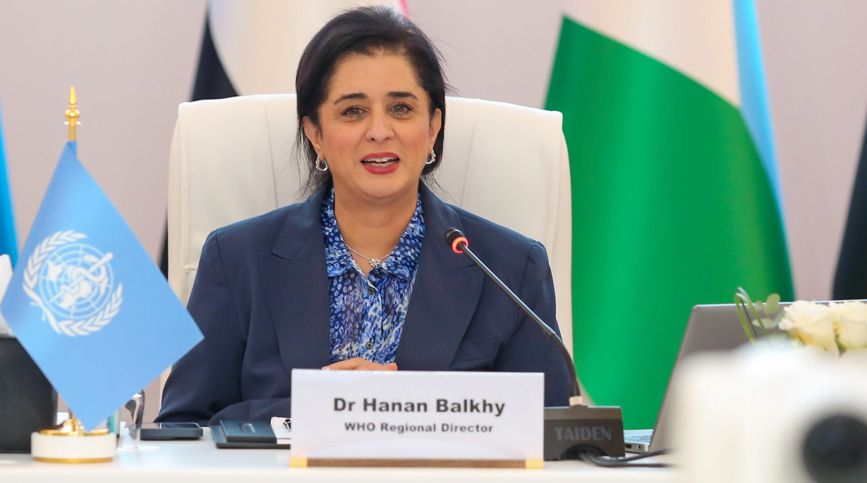
“Attacks against hospitals can delay life-saving treatment, interrupt emergency services, compromise sensitive patient information and undermine public trust,” said Dr. Hanan Balkhy of the WHO. She urged political leaders to treat cybersecurity as a core pillar of emergency preparedness rather than a bolt-on afterthought.
The WHO is working alongside the International Telecommunication Union to deliver technical expertise on digital security standards and national capacity building. At the same time, UNODC is helping governments strengthen legal frameworks to prosecute cybercrime and enable cross-border law enforcement cooperation.
Building dedicated health-sector Computer Emergency Response Teams is no longer optional. Without coordinated investment and harmonized legislation, the drive to modernize healthcare across Africa could inadvertently manufacture systemic fragility at continental scale.
Dr. Balkhy’s call demands sustained governance reforms, dedicated workforce training, and active threat-intelligence sharing between nations. Health systems globally reported a sharp rise in ransomware incidents during 2024 and 2025, yet institutions across the continent still lack the response capacity to absorb breaches that average nearly $11 million each.
Without rapid action, the very technologies designed to protect patients risk becoming the vectors that endanger them. The window for preventive investment across Africa is narrowing fast, and political will must match the scale of the threat.
What should governments prioritize first to shield patients from escalating cyber threats — legislation, workforce training, or regional cooperation? Share your perspective below. #InternationalNews #GM247News
Prepared with AI assistance; Reviewed by the GM247 Editorial Desk.
Found an error or important omission? Email corrections@gm247news.com.
Africa News
The Trump-Zelenskiy summit could reshape food security for dozens of African nations dependent on Black Sea grain corridors. Fertilizer costs, staple prices,…
 Africa News
Africa's 17th Healing Streams event drew billions of viewers in September 2026, sparking a faith-tech investment boom. Venture capital is now flooding…
 Africa News
Sahel governments are studying Iraq's Christian repatriation model to resettle millions of displaced religious minorities across Africa in 2026. Enforceable property rights…