 World
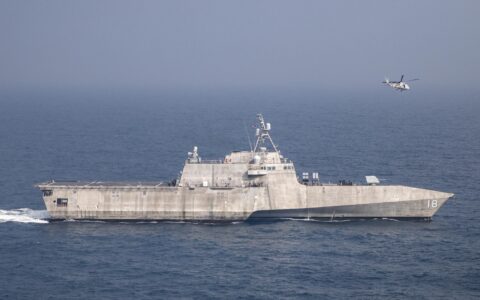
China says navy tracked USS Charleston near Sabina Shoal
China says it monitored USS Charleston near Sabina Shoal on 20 October. The Philippines disputes Beijing’s claim; the US mission remains unconfirmed.
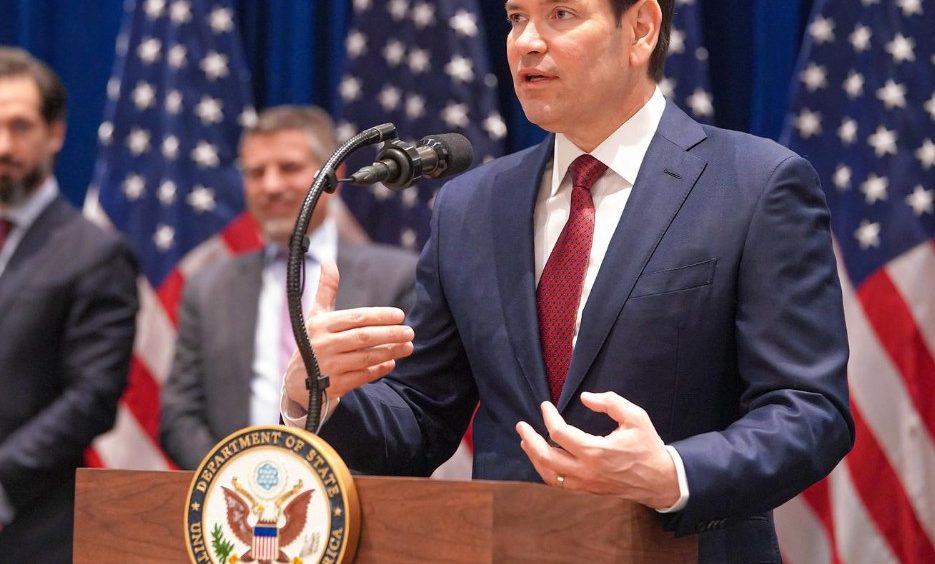 Rubio Says Washington Remains Open to Constructive Negotiations U.S. Reaffirms Support for Diplomacy Based on Compliance
 Ghana and the Netherlands Strengthen Partnership to Combat Transnational Organised Crime
 Focus on Property Tax and Informal Sector to Boost Revenue Prof. Quartey Urges Government
 GoldBod CEO Rejects Minority’s Loss Allegations, Cites GH¢5.44bn Surplus
 Trump and Zelenskiy Set to Hold High-Stakes White House Summit as Washington Revives Peace Push
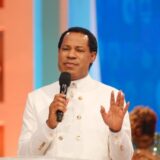 Day 1 of the Healing Streams Live Healing Services Opens With Pastor Chris’ Message on “The Gospel of Jesus Christ”
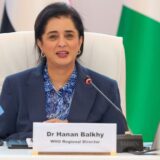 The Rising Danger of Healthcare Cyber Attacks
 Lt-Gen Sizakhele Dyantyi Appointed as New Western Cape Police Commissioner


Independent. Informed. Always on.
Journalists covering Africa and the Global South were reportedly barred from the G20 finance meeting in North Carolina, sparking fierce backlash. Press freedom groups are now preparing formal inquiries as…

Analysis: G20 press access and media transparency
Africa and Global South journalists were reportedly barred from the G20 finance meeting in North Carolina on August 31, 2026, igniting fierce backlash over credentialing transparency at the world’s most influential economic summit.
G20 summits directly shape debt relief frameworks, trade agreements, and development finance policies affecting billions across the developing world. When journalists from Africa and emerging economies are shut out, democratic oversight of decisions with enormous real-world consequences effectively disappears.
The reported restriction arrives at a particularly contradictory moment. African nations spent years campaigning for greater representation in global financial governance — a push that culminated in the AU earning its permanent G20 seat in 2023. Blocking the very media tasked with holding these institutions accountable undermines the inclusive governance those reforms were designed to deliver.
The story originated from a discussion aggregator citing AP News, but no independent confirmation has surfaced as of this writing. Given the gravity of any government-imposed press restriction at a multilateral summit, readers should treat these details as preliminary until verified by credible outlets.
Several Africa journalism coalitions have already lobbied for guaranteed media access frameworks at multilateral forums. The Global Media Freedom Coalition has pushed for binding credentialing rules since 2021, though host-nation resistance has stalled meaningful progress.
If substantiated, this incident could provide decisive momentum behind campaigns for binding credentialing standards at intergovernmental gatherings worldwide. The broader debate over who gets to witness — and report on — decisions affecting Africa and the developing world remains deeply unresolved.
The outcome of this dispute may set a lasting precedent for every major summit going forward. GM247News will update this report as confirmed information becomes available.
Should international summits like the G20 be required to guarantee open press access for journalists from every member nation? Share your thoughts below. #InternationalNews #GM247News
Key Topics: brisbane-g20-2014, hamburg-g20-2017, media-freedom-coalition
At the 2014 G20 summit in Brisbane, Australia, host authorities imposed security credentialing so restrictive that several smaller international outlets were effectively excluded, drawing formal criticism from the Committee to Protect Journalists. The pattern repeated at the 2017 G20 in Hamburg, where over 30 journalists had credentials revoked mid-summit under opaque security justifications, triggering street protests and legal challenges from European press associations.
These precedents demonstrate that press restrictions at multilateral forums often serve as a bellwether for broader civil society access crackdowns. If the current report is confirmed, it could accelerate the UNESCO-backed Global Media Freedom Coalition's campaign for binding credentialing standards at all intergovernmental gatherings — a proposal stalled since 2021 largely due to resistance from host nations reluctant to cede control over summit logistics.
Prepared with AI assistance; Reviewed by the GM247 Editorial Desk.
Found an error or important omission? Email corrections@gm247news.com.
World China says it monitored USS Charleston near Sabina Shoal on 20 October. The Philippines disputes Beijing’s claim; the US mission remains unconfirmed.
 World
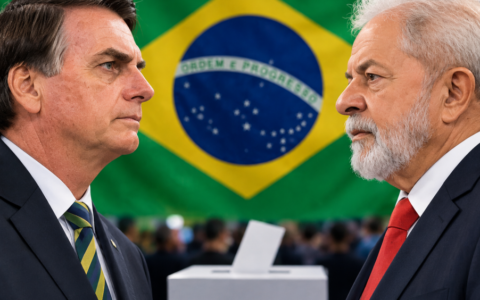
A Nexus/BTG poll puts Flávio Bolsonaro at 50.3% and Lula at 49.7% of valid voting intentions, within the margin of error before…
 World
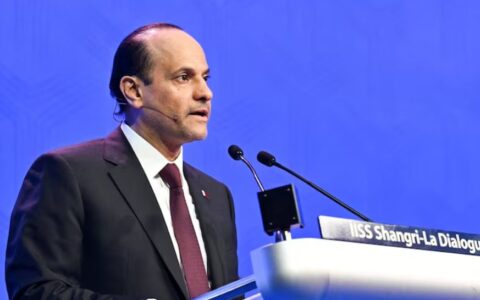
Qatar’s defence minister says a production hub is planned with regional and international partners, with key details still to be announced.