 Africa News
Africa: Urgent 3 Biggest Food Crisis Facts – 2026
The Trump-Zelenskiy summit could reshape food security for dozens of African nations dependent on Black Sea grain corridors. Fertilizer costs, staple prices,…
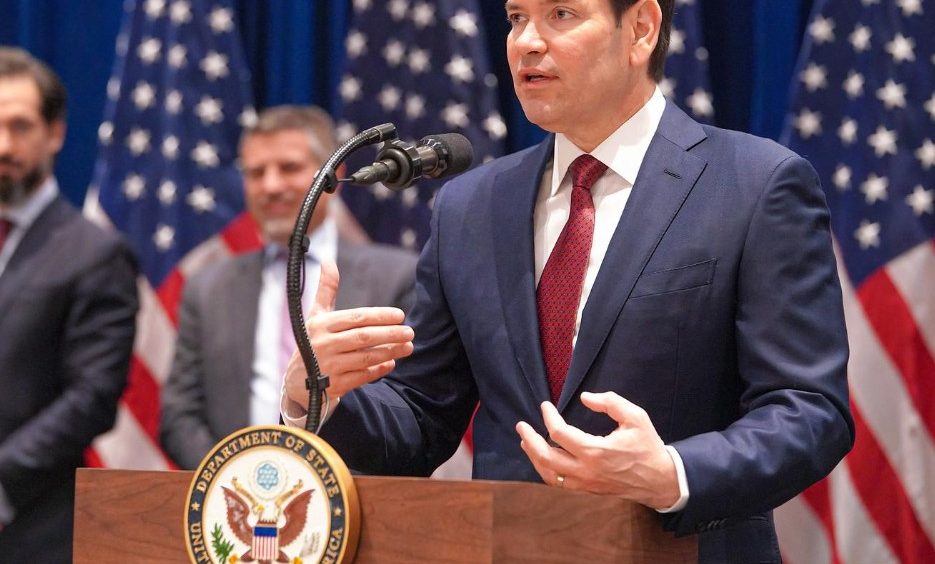 Rubio Says Washington Remains Open to Constructive Negotiations U.S. Reaffirms Support for Diplomacy Based on Compliance
 Ghana and the Netherlands Strengthen Partnership to Combat Transnational Organised Crime
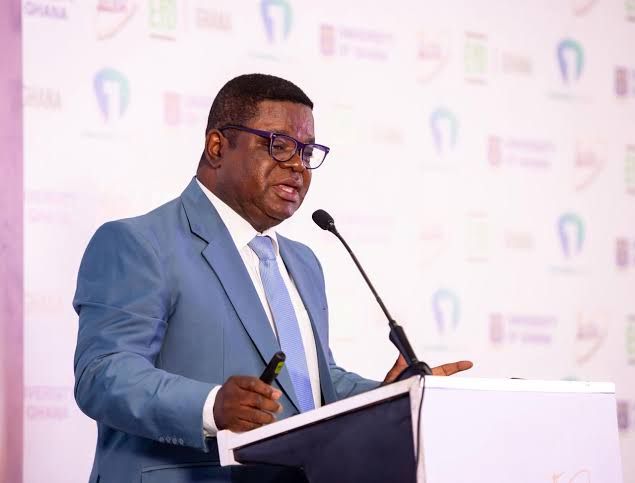
 Focus on Property Tax and Informal Sector to Boost Revenue Prof. Quartey Urges Government
 GoldBod CEO Rejects Minority’s Loss Allegations, Cites GH¢5.44bn Surplus
 Trump and Zelenskiy Set to Hold High-Stakes White House Summit as Washington Revives Peace Push
 Day 1 of the Healing Streams Live Healing Services Opens With Pastor Chris’ Message on “The Gospel of Jesus Christ”
 The Rising Danger of Healthcare Cyber Attacks
 Lt-Gen Sizakhele Dyantyi Appointed as New Western Cape Police Commissioner


Independent. Informed. Always on.
A leading Ghanaian economist is demanding sweeping property tax and informal-sector reform across Africa, warning that low revenue collection traps nations in aid dependency. Lagos's digital cadastral success offers a…
Key Topics: rwanda-land-reform, digital-cadastral-systems, african-fiscal-autonomy
Rwanda's 2012 nationwide land tenure regularization program offers a powerful historical parallel. By digitally registering over 10.3 million land parcels in under five years, Kigali dramatically increased land-related tax collection and reduced property disputes by nearly 40 percent. The Rwandan model succeeded partly because presidential authority backed it and community-level mediation significantly reduced political backlash, suggesting reform success hinges less on technology and more on the governance framework surrounding it. If Ghana studies both the Lagos and Kigali precedents, it could avoid protest cycles that plagued Nigeria while achieving Rwanda-level registration coverage — potentially unlocking billions in dormant domestic revenue across the continent.
Africa tax reform has become a continental flashpoint after a leading Ghanaian economist warned in September 2026 that critically low revenue collection traps nations in aid dependency, demanding sweeping property tax and informal-sector overhauls.
For decades, African governments relied heavily on foreign aid and sovereign borrowing to fund health, education, and infrastructure. As global lending conditions tighten and donor fatigue accelerates through 2026, that financing model is fracturing under unprecedented pressure.
According to the International Monetary Fund’s Ghana page, fiscal consolidation remains a central policy challenge — making domestic revenue mobilization not just desirable but existential for Accra and peer economies.
Centralized billing systems and geographic information technology form the backbone of the reform agenda. Lagos demonstrated that digitally mapping and valuing properties can dramatically widen the tax base, but the rollout initially sparked such fierce public resistance that state authorities had to halve rates before acceptance stabilized.
That pattern offers Ghana a cautionary template. Phased implementation and transparent public communication are just as vital as the technical infrastructure itself. Without both, Africa tax reform risks repeating Lagos’s early protest cycles across the continent.
Simplified frameworks for informal workers could bring millions of currently untaxed participants into the fiscal system. Yet political will to tax informal traders — many of whom lack formal registration — has historically been the sticking point.
Professor Quartey described the process as a critical “work in progress” demanding both administrative modernization and political courage. Ghana’s trajectory will serve as a bellwether for West African nations weighing whether to close revenue gaps domestically or continue relying on external financing.
Should African governments prioritize taxing property and the informal economy over introducing new levies on formal businesses? Share your perspective below. #InternationalNews #GM247News
Prepared with AI assistance; Reviewed by the GM247 Editorial Desk.
Found an error or important omission? Email corrections@gm247news.com.
Africa News
The Trump-Zelenskiy summit could reshape food security for dozens of African nations dependent on Black Sea grain corridors. Fertilizer costs, staple prices,…
 Africa News
Africa's 17th Healing Streams event drew billions of viewers in September 2026, sparking a faith-tech investment boom. Venture capital is now flooding…
 Africa News
Sahel governments are studying Iraq's Christian repatriation model to resettle millions of displaced religious minorities across Africa in 2026. Enforceable property rights…