 Africa News
Africa: Shocking G20 Press Ban Sparks Biggest 2026 Row
Journalists covering Africa and the Global South were reportedly barred from the G20 finance meeting in North Carolina, sparking fierce backlash. Press…
 Rubio Says Washington Remains Open to Constructive Negotiations U.S. Reaffirms Support for Diplomacy Based on Compliance
 Ghana and the Netherlands Strengthen Partnership to Combat Transnational Organised Crime
 Focus on Property Tax and Informal Sector to Boost Revenue Prof. Quartey Urges Government
 GoldBod CEO Rejects Minority’s Loss Allegations, Cites GH¢5.44bn Surplus
 Trump and Zelenskiy Set to Hold High-Stakes White House Summit as Washington Revives Peace Push
 Day 1 of the Healing Streams Live Healing Services Opens With Pastor Chris’ Message on “The Gospel of Jesus Christ”
 The Rising Danger of Healthcare Cyber Attacks
 Lt-Gen Sizakhele Dyantyi Appointed as New Western Cape Police Commissioner


Independent. Informed. Always on.
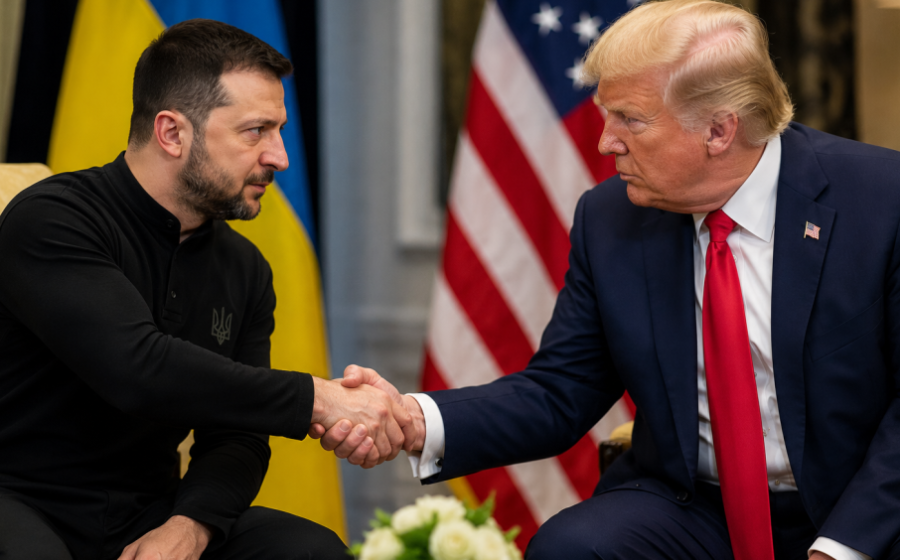
The Trump-Zelenskiy summit could determine whether Black Sea grain corridors reopen, reshaping food security for dozens of import-dependent African nations. Fertilizer costs, staple prices, and long-term agricultural productivity hang in…
Key Topics: 2007-2008 food crisis, commodity price shocks, african food imports
The current crisis closely echoes the 2007-2008 global food price shock, when wheat prices surged over 130 percent and triggered food riots in Cameroon, Egypt, Mozambique, and Burkina Faso. That episode exposed how deeply African economies depend on imported staples and how rapidly price spikes translate into political instability. The critical difference in 2026 is structural: Africa's fertilizer dependency has worsened since then, with per-hectare usage remaining a fraction of the global average. The International Food Policy Research Institute has warned that without secured trade corridors, the continent could face a permanent step-down in agricultural productivity that no amount of emergency aid can reverse. This structural vulnerability makes the summit's outcome not merely a diplomatic event but a potential inflection point for long-term continental food sovereignty.
Africa faces a devastating food security crisis as the July 28 Trump-Zelenskiy White House summit aims to reopen Black Sea grain corridors supplying dozens of import-dependent nations across the continent.
The Russia-Ukraine war severed critical supply lines almost overnight. For countries already battling armed conflict and climate extremes, the disruption proved catastrophic. Commodity shocks widened the yield gap, trapping hundreds of millions of smallholder farmers in declining productivity against surging population demand.
This is far more than a supply-chain disruption. Per-hectare fertilizer usage across Africa remains a fraction of the global average, and without secured trade corridors, analysts warn of a permanent step-down in agricultural productivity that no emergency aid package can reverse.
If credible terms emerge that Moscow is willing to consider, fertilizer cost reductions would relieve immediate pressure on farmers who have slashed application rates. Lower input costs translate directly into higher yields during a period when the continent must grow more food, not less.
A failure, however, would likely accelerate the cycle of reactive crisis management that African leaders have warned against for years. Political stability, migration patterns, and the viability of smallholder farming for an entire generation hinge on whether enforceable corridor protections materialize.
African leaders are tracking this summit not as distant diplomacy but as a potential inflection point for continental food sovereignty. The African Development Bank has repeatedly documented how compounding price shocks erode structural resilience far faster than emergency interventions can rebuild it.
The consequences stretch beyond trading floors into classrooms, clinics, and rural communities where food insecurity reshapes life outcomes for generations.
What impact do you think the summit outcome will have on food prices and stability across the continent? Share your perspective below. #InternationalNews #GM247News
Prepared with AI assistance; Reviewed by the GM247 Editorial Desk.
Found an error or important omission? Email corrections@gm247news.com.
Africa News
Journalists covering Africa and the Global South were reportedly barred from the G20 finance meeting in North Carolina, sparking fierce backlash. Press…
Africa News
Lt-Gen Sizakhele Dyantyi takes command of Western Cape policing after gang violence killed 11 in Cape Town. His appointment tests whether leadership…
 Africa News
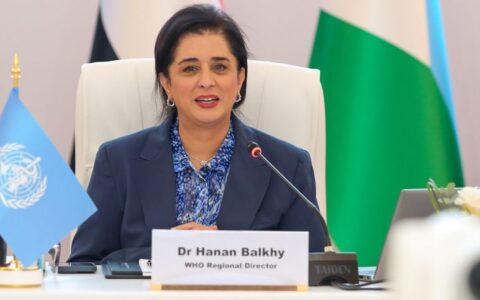
The WHO warned from Cairo that cyberattacks now directly threaten patient safety across Africa's digitizing health systems. Emergency partnerships with the ITU…