 Africa News
Africa: Shocking Police Crisis – 2025’s Biggest Shake-Up
Lt-Gen Sizakhele Dyantyi takes command of Western Cape policing after devastating gang violence killed 11 in a single weekend. His appointment tests…
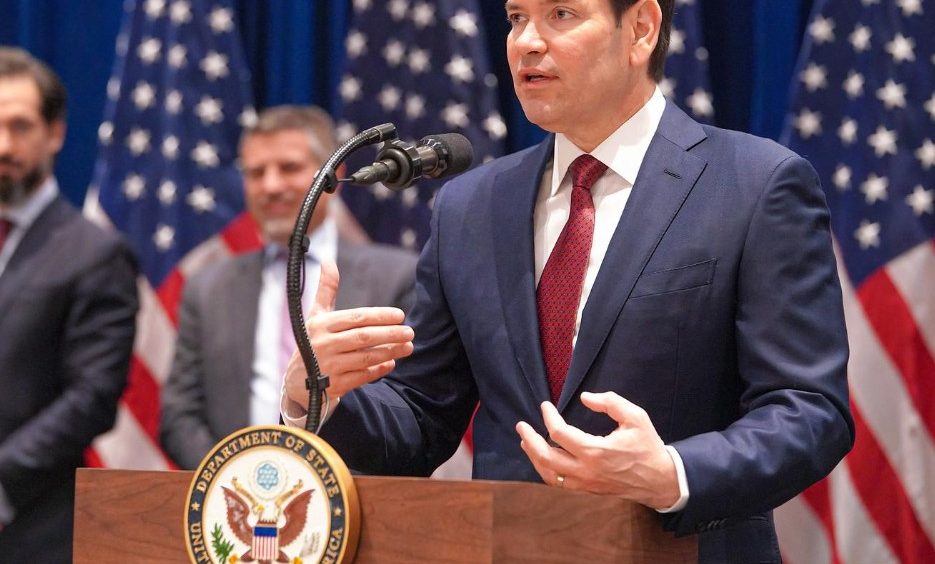 Rubio Says Washington Remains Open to Constructive Negotiations U.S. Reaffirms Support for Diplomacy Based on Compliance
 Ghana and the Netherlands Strengthen Partnership to Combat Transnational Organised Crime
 Focus on Property Tax and Informal Sector to Boost Revenue Prof. Quartey Urges Government
 GoldBod CEO Rejects Minority’s Loss Allegations, Cites GH¢5.44bn Surplus
 Trump and Zelenskiy Set to Hold High-Stakes White House Summit as Washington Revives Peace Push
 Day 1 of the Healing Streams Live Healing Services Opens With Pastor Chris’ Message on “The Gospel of Jesus Christ”
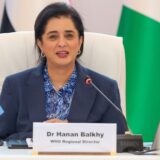 The Rising Danger of Healthcare Cyber Attacks
 Lt-Gen Sizakhele Dyantyi Appointed as New Western Cape Police Commissioner


Independent. Informed. Always on.
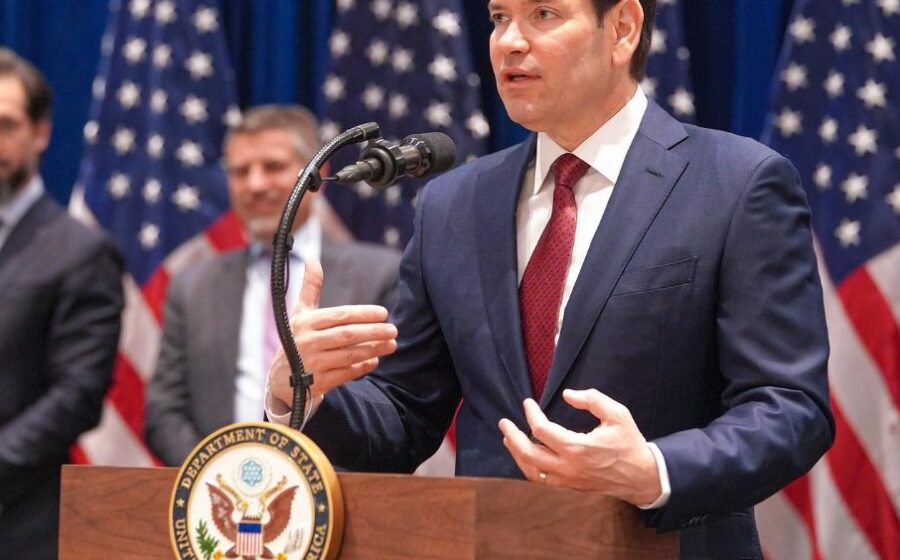
U.S. Secretary of State Marco Rubio says Washington will engage Iran only if commitments are fully honoured. The diplomatic standoff carries significant implications for Africa's security and economic partnerships.
Key Topics: africa-iran-trade, jcpoa-fallout, sahel-security
When the U.S. withdrew from the JCPOA in 2018, African nations with Iranian trade links—particularly South Africa, Kenya, and Tanzania—experienced immediate disruptions in banking channels and commodity imports. Iran had been a growing source of affordable crude and petrochemical products for several East African economies. The 2018 withdrawal demonstrated that U.S. sanctions architecture can sever Africa-Iran commercial ties almost overnight, even when African states are not the intended targets. This precedent suggests that any new compliance-based framework Rubio pursues could similarly expose African partners to secondary sanctions risk. For the continent's policymakers, the lesson is clear: diversifying trade partners and building sanctions-resilient financial infrastructure is no longer optional but essential.
Africa and broader global security face mounting uncertainty as U.S. Secretary of State Marco Rubio declared Washington open to negotiations with Iran—but only if Tehran honours every commitment made at the table. The warning came during remarks in late July 2026.
Iran’s nuclear ambitions do not exist in a vacuum. Instability in the Middle East ripples across Africa through energy markets, arms flows, and migration pressures. Any breakdown—or breakthrough—in U.S.-Iran diplomacy reshapes the security calculus for African nations bordering the Sahel, the Horn, and the Red Sea corridor.
Rubio’s insistence on compliance-based engagement signals a harder American line than previous administrations adopted. For African governments navigating partnerships with both Washington and Tehran, the diplomatic temperature matters enormously. Trade agreements, defence cooperation, and development aid can all shift when great-power rivalries intensify.
Several African Union member states maintain economic ties with Iran, particularly in energy and agriculture. A stricter U.S. posture could force difficult choices for capitals that have so far balanced relationships with both sides.
The principle Rubio outlined—that dialogue depends on implementation, not promises—echoes language the U.S. State Department has used in other bilateral disputes. It leaves little room for ambiguity about Washington’s expectations.
Diplomatic efforts are expected to continue through multilateral channels, including the United Nations General Assembly sessions later this year. How African nations position themselves could determine whether they gain leverage or face pressure from competing blocs.
With Africa increasingly central to global resource supply chains and security architecture, the continent’s voice in these negotiations carries more weight than ever before.
Do you think African governments should take a stronger public stance on U.S.-Iran diplomacy, or is quiet neutrality the smarter play? Share your thoughts below. #InternationalNews #GM247News
Prepared with AI assistance; Reviewed by the GM247 Editorial Desk.
Found an error or important omission? Email corrections@gm247news.com.
Africa News
Lt-Gen Sizakhele Dyantyi takes command of Western Cape policing after devastating gang violence killed 11 in a single weekend. His appointment tests…
 Africa News
The WHO warned from Cairo that cyberattacks now directly threaten patient safety across Africa's digitizing health systems. Emergency partnerships with the ITU…
 Africa News
Africa's minority displacement crisis intensifies in 2026 as Sahel and Lake Chad Basin governments look to Iraq's Christian repatriation model for answers.…